Introduction
Autism speech delay is one of the most common reasons parents first start searching for answers.
This page is not only about late talking. It is about the bigger question behind it: is this a simple language delay, or part of a wider autism pattern?
Here you will see how speech delay differs from autism, which signs matter most, and what evaluation and support usually look like.
What Is Speech Delay in Autism?
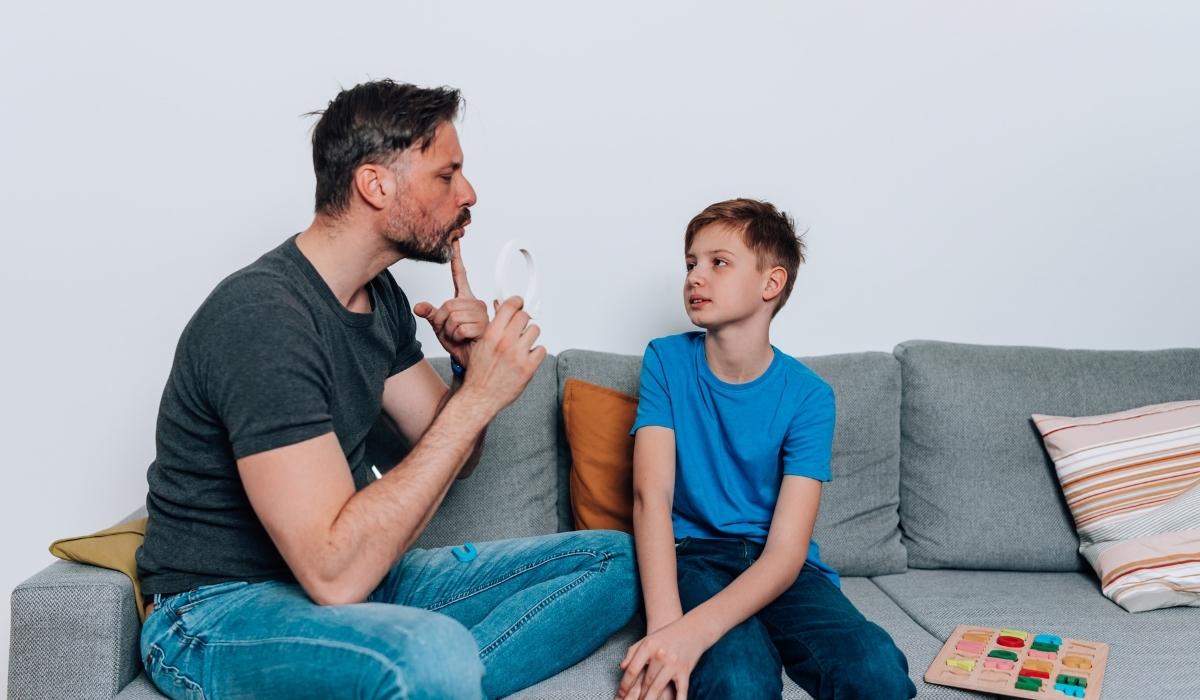
Speech delay means spoken words come later than expected for a child’s age. In autism, the delay may affect both speech and the broader ability to communicate.
Speech is only one part of communication. A child may have few words, no words, or many words but still struggle to ask for help, respond to others, or join a simple conversation.
Some autistic children are verbal. Some are nonverbal. Some use both speech and tools like gestures, pictures, or devices.
Early Signs of Autism Speech Delay
- No babbling or very little sound-making by the end of the first year
- No words by 12 to 18 months
- No response to name in calm settings
- Limited eye contact
- No pointing, waving, or other gestures
- Repeating words without using them in a flexible way
- Difficulty understanding simple instructions
If you are comparing your child to milestones, also read early signs of autism for a wider checklist.
Speech Delay vs Autism
Parents often ask whether a child can have speech delay without autism. The answer is yes. That is why the full pattern matters.
Speech Delay
- Still wants interaction
- Uses gestures to communicate
- Often understands language better than they can speak it
Autism
- Social communication difficulty
- Limited gestures
- Repetitive behavior
- Sensory issues
The difference is not only how many words a child says. It is also how the child connects, communicates, and responds to people.
If you want a simple background guide, read what is autism.
What Causes Speech Delay in Autism?
Autism can affect brain development in ways that make speech and language harder to build. A child may hear words but process them differently.
Social communication also matters. Language grows through shared attention, imitation, and interaction. If those areas are harder, speech may grow more slowly.
Sensory processing issues can add more difficulty. Noise, touch, and overwhelm can make communication harder. This is not caused by parenting.
When Should You Be Concerned?
- No babbling by 12 months
- No words by 18 months
- Loss of speech or loss of communication skills
- No interaction or very limited social response
- Speech delay plus repetitive behavior or sensory distress
If these signs are present, it is worth acting early rather than waiting and hoping it resolves on its own.
How Autism Affects Communication
Autism may affect both verbal and nonverbal communication. A child may struggle to speak, but they may also struggle to understand and respond to other people.
Some children have trouble expressing needs. Others can say words but still cannot use language well in social situations. Some understand less than parents expect.
Communication also includes gestures, facial expression, pointing, tone, and shared attention. That is why speech delay is only one part of the picture.
Diagnosis and Evaluation
Evaluation usually starts with a pediatric check. Your doctor may ask about milestones, social behavior, hearing, and daily communication.
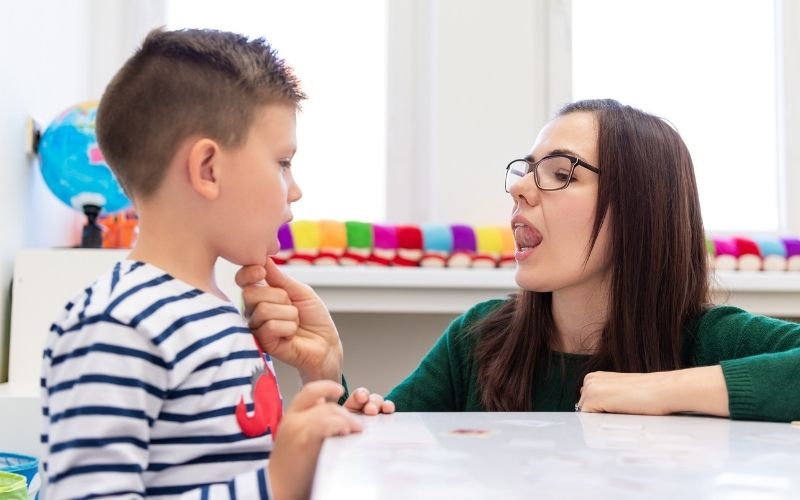
A speech therapist may assess language understanding, word use, speech clarity, and communication style. Developmental screening may also be recommended.
These steps help doctors tell the difference between a simple late-talker pattern and autism-related communication delay.
If you want to know what the process looks like, read autism diagnosis process.
Treatment and Support Options
- Speech therapy: helps children build language and communication skills.
- Early intervention: gives support when the brain is still developing quickly.
- Communication tools: pictures, symbols, signs, or devices can reduce frustration.
- Parent involvement: daily practice at home makes therapy more effective.
Support works best when home and therapy use the same simple, repeated strategies.
For broader support planning, read autism therapy options.
Can Children Improve?
Yes. Many children improve with the right support.
Progress varies from child to child. Some gain words quickly. Others improve more slowly or use mixed communication methods.
What matters most is early action, steady support, and realistic goals.
FAQs
Can a child have speech delay without autism?
Yes. Some children are late talkers without autism. That is why full evaluation matters.
What age should a child talk?
Children develop at different speeds, but many say first words around 12 months. Concern increases when speech remains very limited beyond expected milestones or when communication skills are lost.
Does autism always affect speech?
No. Some autistic children speak clearly, while others have late language, unusual speech patterns, or rely more on gestures and visual tools.
Can therapy help?
Yes. Speech therapy, early intervention, and repeated home practice can make a major difference in both speech and everyday communication.
Reviewed by a healthcare professional
This page was reviewed for accuracy by a licensed healthcare professional. Milestones vary; follow your child's care team for personalized guidance.
Important notice
Healoza does not diagnose speech disorders or autism. For emergencies, contact local emergency services.