Introduction
What is autism? This page is the basic starting point for parents who want a plain explanation before reading about signs, diagnosis, or therapy.
Autism affects how the brain handles communication, social connection, routines, and sensory input. It is not an illness and it is not something caused by poor parenting.
Think of this guide as your overview page. It explains what autism means, how it can look in daily life, and which topics to read next if you need more detail.
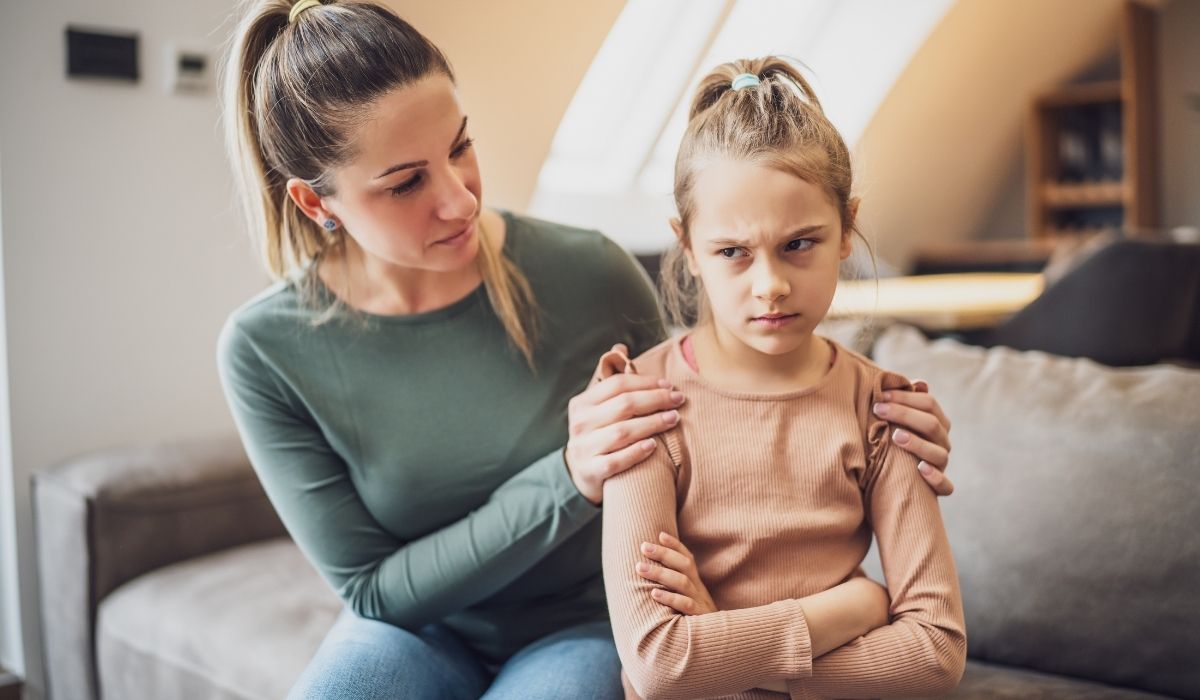
Quick Summary: Autism Explained
- Autism meaning: the brain works differently in communication, social understanding, and sensory processing.
- Autism is lifelong: it starts early in development and stays through life.
- Autism symptoms vary: no two autistic people look exactly the same.
- Support helps: therapy, structure, and understanding can improve daily life a lot.
What Autism Really Means
Autism means a person’s brain processes communication, social situations, and sensory input in a different way.
This can affect how someone talks, learns, handles change, notices sound or touch, and connects with other people. Some children show clear signs early. Others show them more slowly over time.
Autism is not an illness that needs to be "caught" or "removed." It is a different way of developing. That is why support matters more than blame.
Key Traits of Autism
- Social communication challenges: trouble with eye contact, conversation flow, gestures, or understanding social cues.
- Repetitive behaviors: repeated movements, repeated phrases, strong routines, or very focused interests.
- Sensory sensitivity: strong reactions to noise, lights, clothing, smell, textures, or crowded spaces.
Not every autistic person has the same mix of traits. Some may have stronger social differences. Others may have stronger sensory needs or routine-based behavior.
Autism Is a Spectrum
Autism is a spectrum because support needs can range from mild to severe. One autistic person may live fully independently. Another may need daily help for communication or self-care.
The key point is simple: every autistic person is different. A label alone never tells the full story.
Support should be based on what the person needs now, not on assumptions from one word.
Common Signs of Autism
Common signs in children
- Limited response to name
- Delayed speech or unusual speech patterns
- Difficulty with social play
- Strong need for routines
- Strong sensory reactions
Common signs in adults
- Difficulty reading social situations
- Feeling overwhelmed in busy places
- Need for predictability and structure
- Very deep focus on certain interests
- Long-term social communication struggles
If you want a more focused guide for children, read early signs of autism.
What Causes Autism?
The exact cause of autism is not fully known. Research suggests it comes from a mix of genetics and environmental influences that affect early brain development.
What matters most is what autism does not come from. It is not caused by poor parenting, lack of love, or simple discipline problems.
If you want more detail in plain language, read what causes autism.
Can People with Autism Live Normal Life?
Yes. Many autistic people live full and meaningful lives.
Some work, study, marry, raise families, and live independently. Others need ongoing support with daily routines, learning, or communication. Both realities are valid.
A better question is not "Can life be normal?" It is "What support helps this person live well?"
Related Conditions
- ADHD: attention and impulse-control difficulties often overlap with autism.
- Anxiety: uncertainty, social stress, and sensory overload can increase anxiety.
- Learning difficulties: some autistic people need extra support with reading, writing, memory, or processing speed.
If you are trying to understand overlap and differences, read autism vs ADHD and autism diagnosis process.
What Should You Do Next?
- Notice patterns at home, school, and social settings.
- Write down clear examples of autism symptoms or behavior concerns.
- Ask your doctor about screening or referral.
- Read practical next-step guides like autism diagnosis process and autism therapy options.
FAQ
What is autism in simple words?
Autism is a lifelong condition where the brain processes communication, social situations, and sensory input differently.
Is autism a disease?
No. Autism is not a disease. It is a developmental condition.
Can autism be cured?
No. But support, therapy, and understanding can greatly improve daily life.
What age does autism start?
Autism begins early in development, even if families do not notice it right away. In many children, signs become easier to spot between the first and third year of life.
Can autistic people live independently?
Many autistic people do live independently, while others need support with daily routines, communication, or planning. Independence is not all-or-nothing.
Reviewed by a healthcare professional
This page was reviewed for medical accuracy and parent-friendly clarity by a licensed healthcare professional.
Disclaimer
This content is for educational purposes and does not replace medical advice. Healoza does not diagnose autism or any other condition. For emergencies, contact local emergency services.