Introduction
This page is about daily support, not diagnosis theory. It is for parents who already know their child needs help and want practical changes they can start using now.
How to support a child with autism often comes down to routines, communication style, sensory awareness, and calm responses during hard moments.
The goal is not perfection. The goal is to make everyday life more manageable for your child and less overwhelming for your family.
Understanding Your Child’s Needs
Every autistic child is different. What helps one child may not help another.
The best support starts with watching patterns. What calms your child? What causes stress? What situations lead to meltdowns, shutdowns, or refusal?
Look closely at:
- Noise and sensory triggers
- Changes in routine
- Social situations
- Tiredness, hunger, and transitions
If you want a simple overview first, read what is autism.
Create a Daily Routine
A routine helps many autistic children feel safe. Predictability lowers anxiety and can reduce daily conflict.
You do not need a perfect timetable. You need a clear order your child can learn and expect.
Helpful routine tips:
- Wake up at about the same time each day
- Keep meals and bedtime regular
- Use the same order for key tasks
- Give warnings before transitions
- Use pictures or visual schedules if helpful
Small structure often creates a big difference.

How to Communicate Better
Communication gets easier when adults make it simpler, slower, and clearer.
- Use short sentences
- Give one instruction at a time
- Use gestures or visuals when helpful
- Pause and give time to respond
- Repeat key phrases the same way
Some children need more time to process words. No response right away does not always mean ignoring.
If communication is a big challenge, read autism communication challenges.
Managing Behavior Challenges
Behavior is often communication. A child may be showing stress, overload, pain, confusion, or frustration.
Before reacting, ask:
- What happened just before this?
- Is my child tired, hungry, or overwhelmed?
- Was the demand too fast or unclear?
Helpful behavior strategies:
- Stay calm
- Identify triggers
- Use positive reinforcement
- Avoid punishment as the main tool
Calm support teaches more than shouting.
Helping Your Child in Social Situations
Social situations can feel confusing or stressful. Many children do better when social skills are taught in small steps.
- Teach simple greetings
- Practice turn-taking at home
- Use role play for common situations
- Encourage small wins, not perfect behavior
Low-pressure practice usually works better than forcing big social situations.
Supporting Your Child at Home
Home should feel safe and predictable. A calmer environment can reduce stress throughout the day.
- Create a quiet calm space
- Reduce sensory overload where possible
- Keep important items in the same place
- Lower unnecessary noise and clutter
Even small changes in the home setup can help your child regulate better.
Supporting Your Child in School
School support matters because children spend a large part of the day there. Clear teamwork with teachers helps a lot.
- Share your child’s needs clearly
- Ask for structured support
- Discuss sensory triggers and routines
- Monitor progress regularly
Support works best when home and school understand the same goals.
Daily Activities That Help
Simple daily activities can build skills without feeling overwhelming.
- Play-based learning
- Routine tasks like dressing and tidying
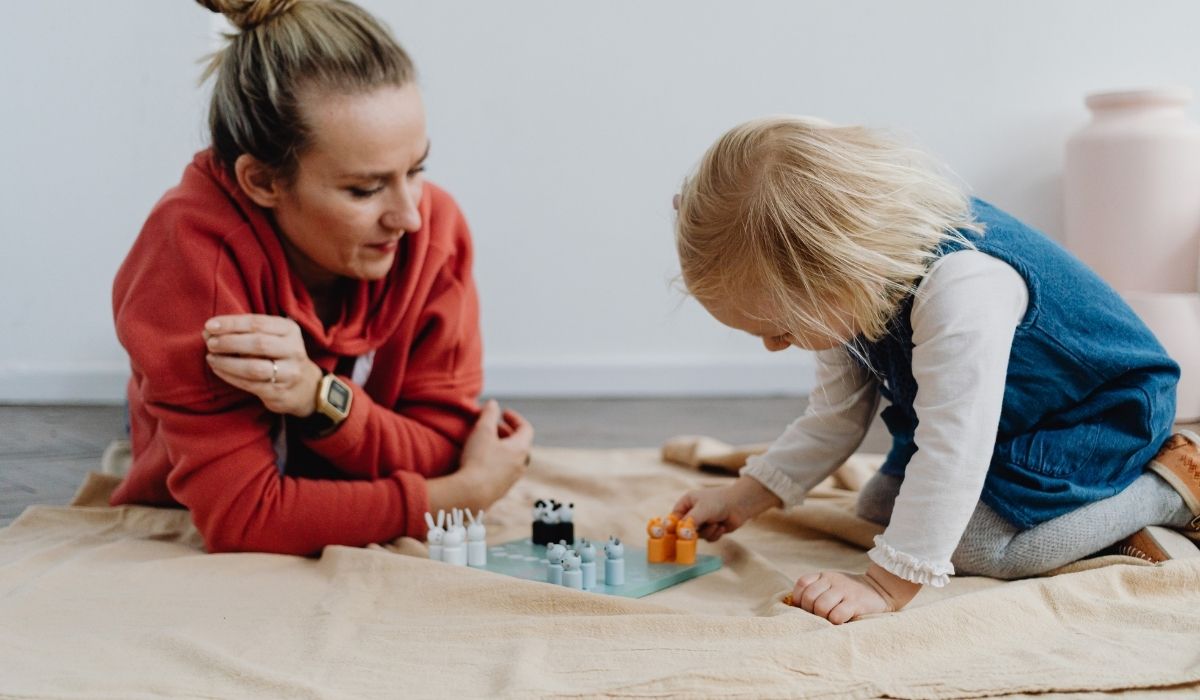
- Simple turn-taking games
- Short communication practice during meals or play
- Step-by-step self-care practice
If you are thinking about therapy support too, read autism therapy options.
What Parents Should Avoid
- Shouting during hard moments
- Sudden changes without warning
- Ignoring communication attempts
- Comparing your child too much with others
- Expecting fast results from every change
Support works best when it is calm, consistent, and realistic.
Taking Care of Yourself as a Parent
You cannot support your child well if you are completely exhausted. Your needs matter too.
- Manage stress where you can
- Ask for help when needed
- Stay informed without panic-reading
- Take short breaks when possible
Good support for your child starts with support for you too.
FAQs
How do I calm my autistic child?
Stay calm, lower demands, reduce noise, and move to a safe quiet space. Try to understand the trigger instead of only reacting to the behavior.
How do I communicate better?
Use short sentences, simple instructions, and give extra time to respond. Visual support can help a lot.
Can autistic children improve?
Yes. Many children make progress when support is consistent, realistic, and built into daily routines at home, school, and therapy.
What is the best support method?
The best support method is the one that matches your child’s real needs. For many families, the strongest results come from combining routine, communication support, and behavior planning.
Reviewed by a healthcare professional
This page was reviewed for medical accuracy and parent-friendly clarity by a licensed healthcare professional.
Important notice
Healoza provides educational information only and does not replace medical or therapeutic advice from your care team.